
Will German clean energy demand be Australia’s hydrogen mega opportunity?
05.2.2024Written by Derek Thomson – Director Clean Energy and ESG
Motivated by their desire to reduce greenhouse gases, Germany has made bold decisions to turn off nuclear and coal power generation and transition to clean energy. German leaders have made these decisions in the full knowledge it will be temporarily dependent on imported gas. What they didn’t anticipate was that Russia, its primary gas supplier, would enter a conflict threatening Germany’s access to gas.
Germany now needs to decarbonise, as well as increase, accelerate, diversify and de-risk their clean energy supply. To do this, they’re looking to countries with minimal sovereign risk who can scale their green energy output for export.
Australia’s off-take opportunity to meet Germany’s clean energy demand
Enter Australia, first world economy, politically stable and technologically advanced. Australian energy commentators and participants have long described a vision to harness our sun and wind to produce green energy. This energy would not only power Australia, but be exported to the world. We certainly have enough natural resources to bring this vision to life. But, to make the economics stack up, we need guaranteed off-take demand to support financing of the required generation infrastructure.
Supplying green hydrogen to Germany is technically feasible. And the potential export volume provides the opportunity to lower the unit cost of energy provision. This will be a catalyst to de-risk financing, driving investment into scaling up the production and transportation of green hydrogen in the form of ammonia and methanol.
Green hydrogen auctions and what they mean for Australia
Germany’s proposal is the creation of a green hydrogen auction process supported by H2Global. The auction would be exclusive to Australian suppliers and German off-takers. A joint government fund would underwrite any gap between the lowest Australian bid for supply and the highest price offered. This would guarantee the transaction and therefore guarantee the supply.
To kick start the process, the Australian and German Governments are negotiating a €400 million fund for the required underwriting. The first auction is about to take place and there are already plans for subsequent auctions.
If the proposal works, Australia could be a primary supplier of green energy to Germany in the coming years. This will require scaling of production capacity that will result in scale up demand for solar, electrolyser, water supply, storage, shipping infrastructure as well as supporting business supply requirements.
And, in Germany, the clean energy strategy calls for the creation and scaling of distribution infrastructure for green energy consumption in the form of pipelines and electricity networks.
The proposal is compelling but not without significant challenge. The next six months will be an interesting time to understand if the auction process works. If it does, we may see Germany’s hydrogen needs kick start Australia’s clean energy export vision!
InterFinancial’s Clean Energy Division
InterFinancial’s Clean Energy division provides support to organisations seeking to secure their position in the global transition to renewable energy and decarbonisation. Led by Energy industry executives and part of the Clairfield International partnership, the team provide Strategy, Capital Raising, M&A and Technology Commercialisation support to organisations planning to instigate and grow their clean energy businesses.
Experienced Clean Energy teams in Australia and Germany
Please contact Derek Thomson to discuss the article and your needs in the Clean Energy future.
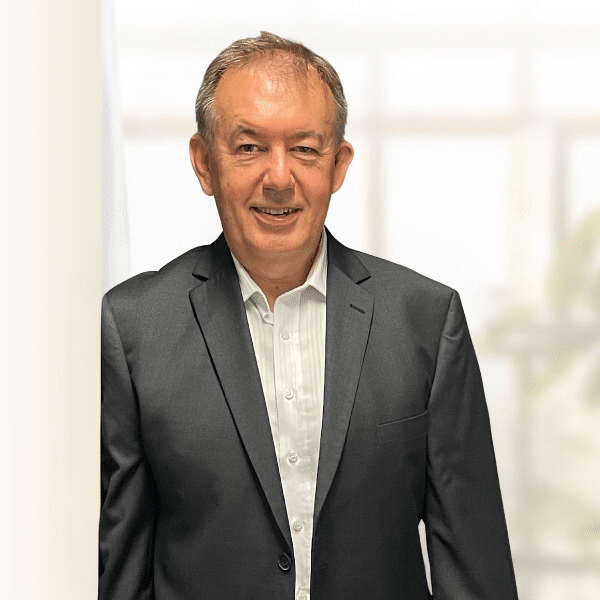
Derek Thomson – Director Clean Energy and ESG InterFinancial
An experienced executive, Derek specialises in commercialisation of technology and executing clean energy frameworks.
dt******@****************om.au +61 419 412 285
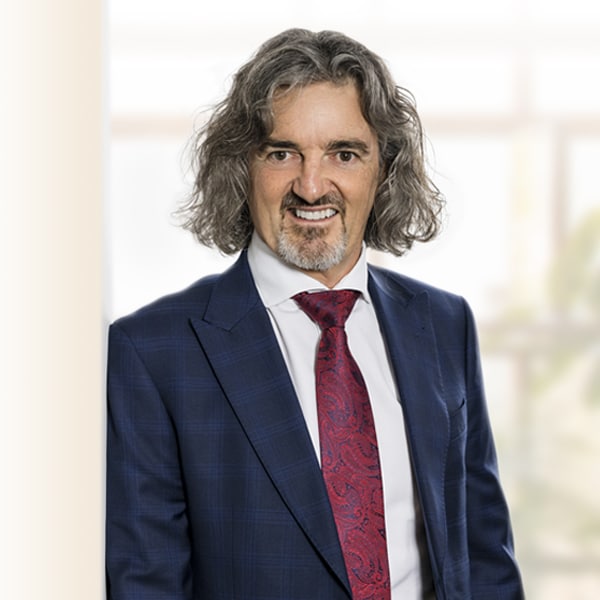
David Hassum – Director InterFinancial
David’s extensive technology expertise allows him to focus on corporate strategy, commercialisation, and business development with a focus on cleantech and energy.
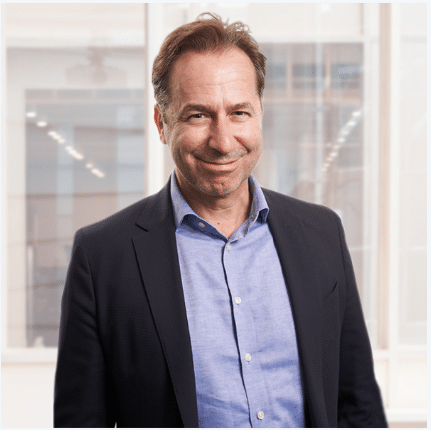
Darius-Oliver Kianzad – Managing Partner, Clairfield Germany
Managing partner at Clairfield Germany, Duesseldorf office, Darius has deep sector expertise and deal track record in Cleantech and energy.